Your phone buzzes.

Then again.
And again.

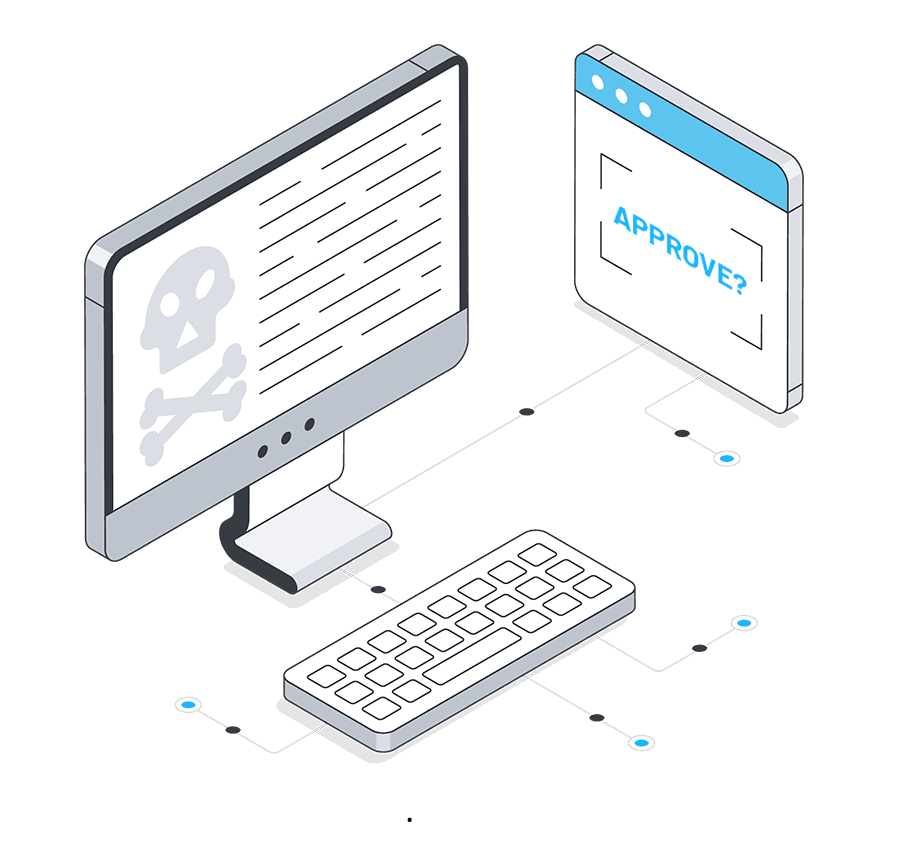
“Approve sign-in?”

You didn’t try to log in. But the notifications keep coming.

You’re in the middle of something. You assume it’s a glitch. You just want it to stop.

So you hit approve.

And that’s exactly what the attacker was waiting for.

What’s actually happening here

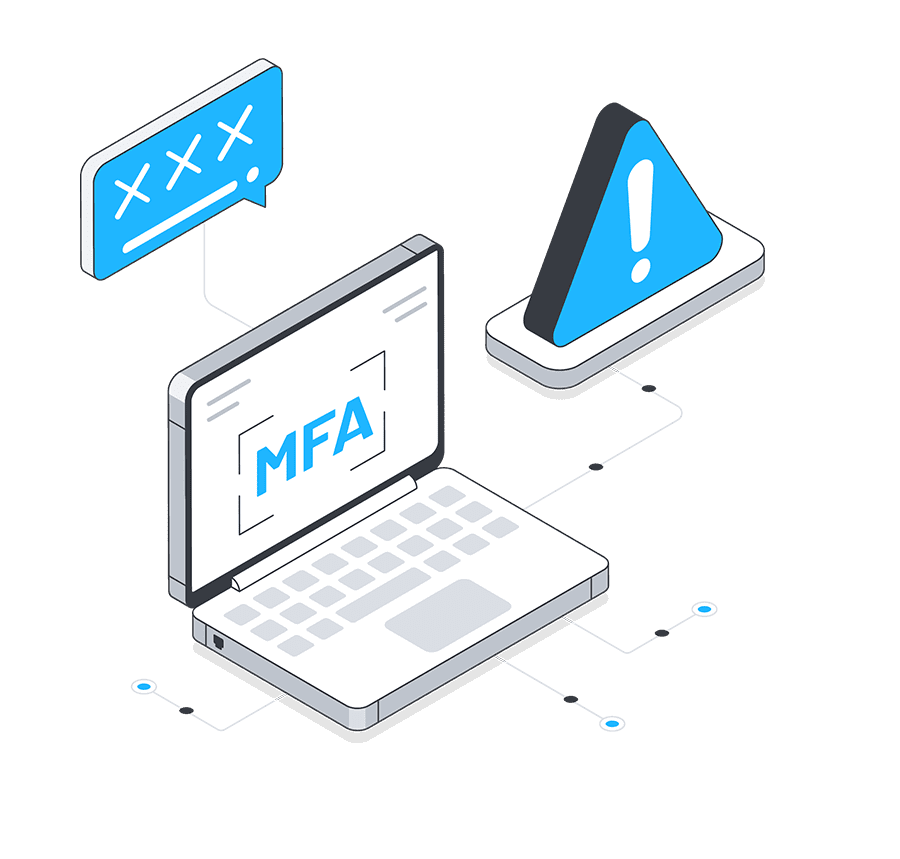
This type of attack is known as MFA fatigue (or push fatigue).

It works like this:

  • An attacker gets your username and password (often from a previous breach or password reuse)
  • They attempt to log in repeatedly
  • Your system sends push notifications asking you to approve the login
  • Eventually, you approve one just to make the notifications stop

No malware. No obvious warning signs.
Just a moment of frustration.
Why this works (and why it’s so effective)

This isn’t a technical vulnerability, it’s a behavioral one.

Attackers are betting on something simple:

  • You’re busy
  • You’re distracted
  • You assume it’s a system error
  • You want the interruptions to stop

And most importantly:

You trust the system enough to click “approve” without thinking twice

This is what makes MFA fatigue attacks so effective. They don’t break security—they work around it.

Why SMBs are especially vulnerable

Most small and mid-sized businesses are doing the right things:

  • They’ve implemented MFA
  • They’ve improved password practices
  • They’ve invested in basic security tools

But there’s often a gap between having security in place and understanding how it actually works in real life.

In SMB environments:

  • Employees wear multiple hats
  • Interruptions are constant
  • Security training is limited or inconsistent

Which means a scenario like this doesn’t feel like an attack, it feels like a nuisance.

And that’s the point.

What happens after you hit “approve”

That one click can give an attacker access to:

  • Email accounts
  • Files and shared drives
  • Internal systems
  • Client or financial data

From there, they can:

  • Send emails as you
  • Access sensitive information
  • Move through your systems without raising immediate alarms

All from a single moment of frustration.

This is what modern cyberattacks look like

There’s a common misconception that cyberattacks are:

  • highly technical
  • complex
  • easy to spot if you’re paying attention

But increasingly, they look normal, subtle, and easy to dismiss

They rely less on breaking systems and more on blending into everyday workflows.

A different way to think about this

Most businesses assume cybersecurity fails when something breaks.

A system goes down.
Files get locked.
Something obvious happens.

But that’s not what this is.

This is security working exactly as designed—and still being bypassed.

Because the weak point isn’t the technology. It’s the moment someone is busy, distracted, or just trying to clear a notification.

That’s the part most businesses aren’t accounting for.

At Tech River, we spend a lot of time helping teams close that gap.

Not by adding more tools or complexity, but by making sure what’s already in place actually works in real-world situations.

That usually means:

  • Adjusting how authentication is configured (so it’s harder to “accidentally” approve access)
  • Giving teams simple context around what to watch for
  • Reducing reliance on split-second decisions during a busy day

Because the goal isn’t perfect behavior.

It’s building systems that don’t fall apart when people act like people.
Computers are connecting for approval

We can help

If your team is using MFA (and most are) it’s worth asking a simple question:

Would someone know what to do in that moment… or just try to make it stop?

If you’re not sure, that’s a good place to start.

More to Explore

More insights and resources worth checking out

More insights and resources worth checking out.

Ready to take the next step?

Ready to take the next step?

We’d like to learn more about your business, discuss current IT challenges, and help answer your questions.

More of What We Do

More of What We Do

Managed IT Services

A Partner looking out for you

Cybersecurity

Hackers go elsewere

Microsoft 365

A partner looking out for you

Co-Managed IT

Optimize efficiency

Infrastructure Projects

Stay on time and budget

Web Design

Enhance Your Brand